
Key systems
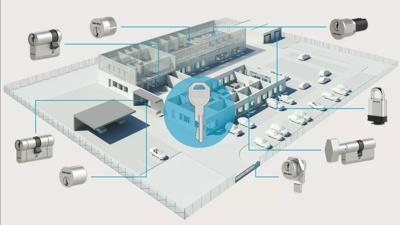
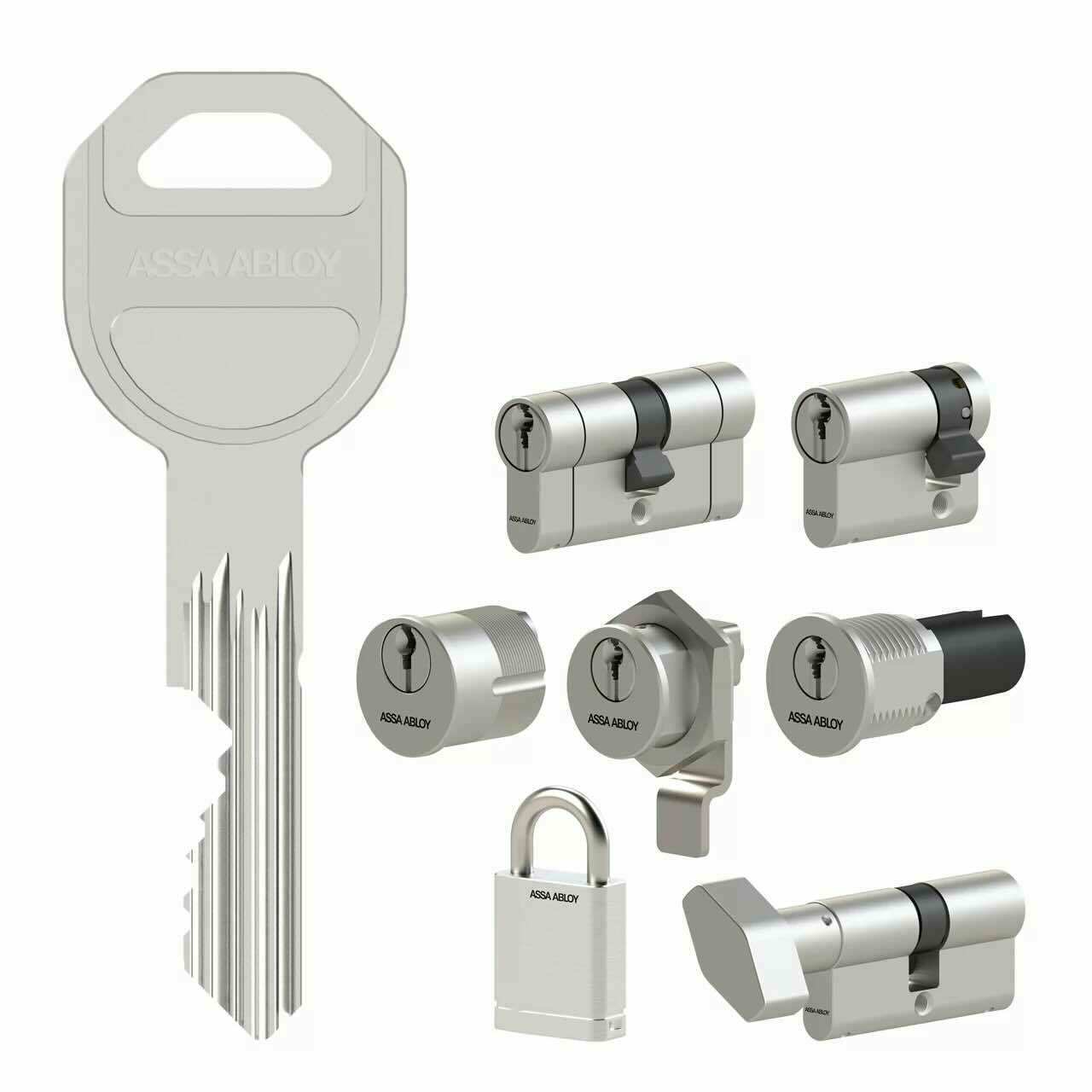
There are 3 types of locking systems: most of our security devices, padlocks, and cylinder locks can be different, keyed alike, or part of a master key system. They can also be combined into a single system in a key plan.

What are the 3 mechanical locking systems?
Differently keyed locks
Differently keyed locks are locks where each key opens a different mechanism. This means that each key associated with a particular lock is unique to that lock. This type of locking system is ideal for situations where access to different areas or objects must remain strictly separate.
Master key systems (same-key locks)
In contrast to differently keyed locks, master key systems are designed so that a single key can open multiple locks. This system is often used in situations where convenience and efficiency are important. For example, in an apartment complex or a large office building where multiple doors provide access to various areas, one key can open all doors.
Master key systems are ideal for facility management, as they reduce the number of keys needed and simplify usage for employees or residents. However, they offer a lower level of security than differently keyed systems, as one key can open multiple doors.

What is a master key system?
A master key system is an advanced key system in which a single key, called the master key, provides access to multiple doors or areas, while other keys only allow access to specific parts of the building, storage rooms, or site offices.
There are different levels within a master key system:
This means there are several key levels depending on the role or function of the user. The system is designed to balance security and convenience, so that different users only have access to the areas they need.
Master key: This key provides access to all doors within the building or complex. It is usually issued only to the manager or the person responsible for building maintenance.
Sub-master keys (group master keys): These keys are limited to certain sections or zones of the building. For example, a key might only provide access to a specific floor, an office, or a storage area. Users of group master keys often have limited access rights.
Individual keys: These keys provide access to specific rooms or areas, depending on the role of the keyholder. They are typically used by employees who need access to a particular workspace, such as an office or meeting room.
How to create a keying plan
-
Define users: Based on the organization of a company, user groups are identified and assigned specific access rights to enter or not enter certain areas.
- Identify spaces: Various spaces and zones in a building are analyzed according to specific security requirements. This can also be applied to padlocks used on construction sites, ensuring an efficient and secure access management system.
- Create the keying plan: Using an Excel sheet, a combination of spaces, users, and required materials is prepared.
Advantages:
Master key systems are popular due to their convenience and affordability, providing a simple solution for many buildings or for securing your materials. The chosen system should be flexible enough to allow future expansions, so additional user groups and spaces can be easily added.
It is also important to record to whom the keys have been issued and to establish in advance who is responsible for granting new access rights.
Furthermore, only the owner of a key system can have keys duplicated by registered dealers such as Mechanic International, ensuring a high level of security for master key systems.
Do you have any questions, comments, or specific requests regarding a new or existing keying plan? Our team is always ready to assist and advise you in creating a customized project. You can easily reach us at the following number: +32 2 453 13 07 to discuss your project.